OSHA Issues Workplace Guidance for Opioid Overdose Emergencies
Key Highlights
- Overdose Recognition: Review the symptoms OSHA identifies as potential signs of an opioid overdose, including slow or stopped breathing and unresponsiveness
- Emergency Preparedness: Employers can make naloxone or nalmefene readily accessible and train workers to respond while waiting for first responders
- Jobsite Response: OSHA recommends calling 911 immediately even when an opioid reversal medication is administered
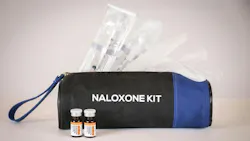
WASHINGTON, DC — The US Department of Labor’s Occupational Safety and Health Administration (OSHA) has released a new fact sheet to help employers and workers prepare for and respond to opioid-related overdose emergencies in the workplace.
The guidance, Opioid Overdose Rescue with Reversal Medications, provides practical information on recognizing overdose symptoms, keeping reversal medications available and responding quickly while waiting for emergency medical services. OSHA published the fact sheet as part of the Great American Recovery Initiative.
Employers Can Prepare for Rapid Overdose Response
OSHA’s guidance emphasizes that opioid emergencies can occur in the workplace and that preparation can help workers respond quickly. The fact sheet recommends that employers keep FDA-approved opioid reversal medications, including naloxone or nalmefene, readily available.
The medications can quickly restore normal breathing during an opioid overdose and generally have no effect when opioids are not present.
OSHA recommends treating overdose response kits similarly to first-aid supplies by keeping them in highly visible, easily accessible locations. The agency specifically compares their placement to automated external defibrillators and standard first-aid kits.
Worker Training Can Support Emergency Response
The fact sheet also recommends educating workers about the signs of an opioid overdose. Symptoms can include slow or stopped breathing, blue lips or skin, pinpoint pupils and unresponsiveness.
Employers can prepare workers to respond by providing training on administering reversal medication, safely positioning an individual experiencing an overdose and providing supportive care while waiting for first responders.
OSHA emphasizes that reversal medications do not replace emergency medical services. Workplace responders should call 911 immediately because the medications' effects are temporary and professional medical care is still required.
Guidance Supports Workplace Safety Efforts
“President Trump has charged the Department of Labor with making recovery part of our workforce strategy, helping more individuals return to work and ensuring our businesses have the workers they need,” said (recently confirmed) Secretary of Labor Keith Sonderling. “Today’s guidance, released as part of President Trump’s Great American Recovery Initiative, is exactly the kind of action we were tasked with delivering for the American people.”
“President Trump has been fighting back against the deadly synthetic opioids infecting the entire illicit drug supply, from known illicit drugs to counterfeit tablets sold on the street or through fake online pharmacies,” said White House Drug Czar Sara Carter. “Because fentanyl has infiltrated the illicit drug landscape and acts as a chemical weapon against our people, it is critically important that the American workforce is familiar with drug overdose recognition and reversal. I am grateful to the Department of Labor for informing employers and workers about life-saving overdose reversal treatments like naloxone.”
The Department of Labor said the guidance is part of its broader workplace safety and health efforts, in coordination with the Centers for Disease Control and Prevention, the US Department of Health and Human Services and other agencies.
The Opioid Overdose Rescue with Reversal Medications fact sheet is designated OSHA FS-4519 and is available through OSHA’s publications library. It can be downloaded at www.osha.gov/sites/default/files/publications/OSHA4519.pdf.