Veolia, Amazon Partner on Reclaimed Water Cooling for Mississippi Data Center
Key Highlights
- Mississippi project expected to reuse 83 million gallons of potable water annually
- Containerized treatment systems convert wastewater into cooling water for data centers
- AI tools target predictive maintenance and more efficient water treatment operations
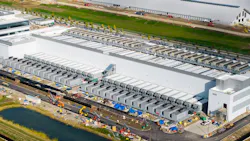
Veolia is partnering with Amazon to reduce potable water demand at a Mississippi data center through a reclaimed water cooling system designed to support long-term water resilience and more sustainable facility operations.
The project is expected to become the first Amazon data center in Mississippi to use reclaimed water for cooling when it comes online in 2027.
Reclaimed Water System Offsets Potable Demand
Under the agreement, Veolia will deploy modular containerized treatment systems that convert treated wastewater effluent and other available sources into cooling water suitable for industrial processes.
Once fully operational, the system is expected to reuse more than 83 million gallons of potable water annually—roughly equal to the yearly water use of about 760 US homes.
For mission-critical facilities such as data centers, reducing dependence on groundwater and municipal potable supplies can help improve long-term resiliency while easing pressure on local infrastructure.
Containerized Design Supports Faster, Scalable Deployment
The treatment platform uses autonomous modular units that can be expanded or replicated based on site demand.
That approach can reduce construction complexity and shorten deployment timelines compared with traditional centralized treatment builds.
For mechanical contractors and facility teams, modular systems can also simplify future expansion, maintenance planning and phased capacity increases as cooling loads grow.
Water Reuse Gains Importance In High-Demand Facilities
As AI and cloud computing continue driving data center growth, water-efficient cooling strategies are becoming a larger part of facility planning.
Projects that incorporate reuse, treatment and closed-loop efficiency measures can help owners meet sustainability targets while maintaining operational uptime.
“We are delighted to collaborate with Amazon to secure its water needs in Mississippi while protecting the local community's resources—this is environmental security in action. By combining Veolia’s water expertise with Amazon’s AI technologies, we’re transforming data centers into engines of innovation for sustainability. This solution builds on our newly launched offering for data centers,” highlighted Estelle Brachlianoff, Chief Executive Officer at Veolia.
AI Tools Target Smarter Water Treatment Operations
As part of the broader collaboration, Amazon Web Services will continue supporting Veolia with AI-driven tools for real-time optimization, predictive maintenance and operational analytics across Veolia’s water treatment network.
The systems are intended to improve performance, reduce resource consumption and help operators make faster service decisions.
For contractors and facility operators, predictive maintenance tools can also mean fewer disruptions, better parts planning and improved lifecycle management of treatment assets.
“Through our collaborative work on AI applied to water treatment, Veolia will be able to further drive innovation and enhance the efficiency of on-site teams—thanks to automated analytics, actionable recommendations, optimized inventory management, and streamlined maintenance. We’re pleased to join forces with Veolia to advance more sustainable water use strategies while helping it pioneer more efficient water treatment solutions for customers worldwide,” stated Will Hewes, Amazon’s Global Water Stewardship Lead.
Model Could Expand To Additional Sites
Because the treatment platform is modular, the companies say the model could be replicated at additional Amazon facilities where reclaimed water sources and site conditions align.
That could make water reuse a larger part of future data center cooling design as owners balance growth, sustainability and utility constraints.