Integrating Hydronic Heating Systems Into Existing Bathroom Layouts
Key Highlights
- Hydronic systems offer greater efficiency, customizable designs, and consistent comfort across rooms, making them an attractive alternative to forced-air heating
- Space constraints can be addressed with low-profile baseboard heaters or radiant floor heating, which require strategic planning during remodels or new installations
- Retrofitting existing systems involves considerations like component selection, piping strategies, and compatibility with current boilers to ensure optimal performance
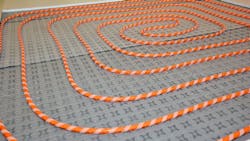
Heating options for a building are so broad that property owners may have a hard time deciding among them
They can go with the typical forced-air heating, which is highly common for its efficacy but not as efficient as hydronic heating systems. Hydronic systems rely on a system of tubes to cycle hot water through, causing heat to radiate through panels, radiators, or baseboard units. This guide explains the benefits of hydronic heating systems, challenges professionals should consider during the design process, and best practices for integration.
Reasons to Consider Hydronic Heating Systems
Hydronic heating systems are fairly common, and technological innovations make this approach an attractive choice within heating services. Modern technology for hydronic systems offers a range of benefits, including:
· Greater efficiency
· Customizable styles and designs
· Consistent comfort in every room
· Flexibility in energy use, including heating oil, natural gas, propane, or electricity
Although hydronic heating systems are not inexpensive, for homeowners who already have a boiler and are looking to replace the flooring, retrofits can be an affordable home remodeling option.
Critical Design Challenges
Limited wall or floor space: Providing heating for a bathroom with limited floor or wall space does not have to limit property owners to forced-air heating vents. Baseboard heaters keep a low profile and only jut out a few inches from the wall, making them an affordable option that is easier to integrate into an existing bathroom. For the most efficiency in the use of space, floor or wall panels may be an appropriate choice. These can be installed above the floor joists or in front of wall studs, with a width of roughly half an inch. These designs require installation prior to the placement of drywall or flooring, so they may be more applicable for a full bathroom remodel.
Connecting to existing heating systems: The existing heating system also plays a role in the way that the installation can happen. If the property owner already has an existing boiler system in reasonable working order, a retrofit may be easier to complete. Buildings that rely on forced-air heating systems would need a boiler to heat the water, although it can be integrated with a furnace in some cases. For all integrations, size and output become important factors. Property owners may need to select a larger boiler to accommodate all the building’s needs, especially if they rely on a steady stream of hot water for hygiene, sanitation, and other applications.
Maximizing efficiency: For property owners looking to consolidate much of their energy consumption under hydronic heating, efficiency is key. Boilers use an Annual Fuel Utilization Efficiency (AFUE) rating to identify the system’s peak efficiency. The minimum for most units is 80-82%, depending on the fuel supply. High-efficiency models often have an AFUE of 90% or more, as much as 100% for all-electric units. High efficiency is a key consideration for property owners who live in cold climates or those who must install the boiler in an unheated space.
Providing an aesthetic integration: Although function is typically the most important factor when installing a hydronic heating system, aesthetics still have a part to play. Property owners want to have a bathroom that feels comfortable and looks pleasant. Modern radiators offer a clean look and a seamless function without taking up a lot of space. Radiators and baseboard units may come in a variety of colors and styles to suit the room’s décor. Upgrading to radiant floor heating allows owners to bypass the dusty forced-air vent, making the heating system virtually invisible from the inside.
Factors to Consider Before Integrating a Hydronic Heating System
Component selection: Beyond selecting a boiler with appropriate sizing and efficiency for the heating load, property owners must decide how they want the hydronic system to look and function. Typically, owners can choose between baseboard units, radiators, or radiant flooring. The best choice depends on the budget and retrofit considerations. Installing a baseboard unit or radiator in a building that already has an existing boiler system tends to be easier and less expensive than radiant flooring, even if it can be less effective.
Piping strategies: Piping strategies depend on a few factors, including the component selection and the installation challenges within the bathroom. Property owners looking for radiant heating must choose between a wet and dry installation. A wet installation places the tubing directly into the wet concrete to provide a permanent installation. This approach is often more efficient, although it is harder to retrofit. A dry installation commonly relies on the use of pre-built, modular panels that the installer can place and put tubes in afterward.
Retrofit scenarios: A planned retrofit may limit the choices that property owners can make, but it depends on the design limitations. For example, a minor remodel that involves surface improvements and new fixtures might limit the hydronic heating choices to baseboard units or radiators, if the installer can get the tubing to the room without having to take down the walls. Radiant flooring can often go on top of the subfloor, which might require replacement of the existing flooring. Retrofits into walls or under floor joists may require open access to the studs or floor joists.
In Conclusion
Installing a hydronic heating system can provide greater efficiency and comfort in an existing bathroom, but the design and installation play significant roles in the efficacy of the final result. By considering these design challenges and installation considerations, installers can help property owners choose the layout that works best for their needs.
About the Author
Tom Mascari
Tom Mascari is President of Mendel Plumbing and Heating. Providing Geneva, Illinois plumbing and HVAC services since 1985, Mendel Plumbing and Heating has a reputation for expert customer service and technical performance. The company also specializes in residential air duct sealing, remodeling and maintenance services to the Fox Valley area.