Key Highlights
-
Replaced electric heat strips with a propane-fed hydronic coil tied into the existing air handler, delivering higher BTU output in cold weather without oversizing or replacing the heat pump
-
Avoided a major electrical service upgrade through hybrid system design, freeing up more than 50% of the home’s electrical capacity while supporting future load additions
-
Improved system performance and longevity through dual-fuel operation, reducing heat pump run time in low-ambient conditions and lowering winter peak demand on the electrical grid
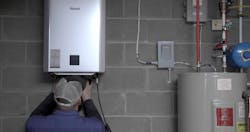
AFTON, VA — Located in the foothills of the Blue Ridge Mountains, a collaborative effort among highly intelligent tradespeople transformed an inefficient home by utilizing innovative hydronic and HVAC equipment. Traditionally, electric heat pumps struggle to deliver comfort and efficiency in cold temperatures. When they fail to meet heating needs, resistance heating kicks in, increasing electric demand by three to four times without providing consistent warmth.
In 2024, four pilot homes—the Afton home being one of them—installed hydronic heat pump solutions to tackle specific challenges, optimize energy usage and deliver consistent home-heating comfort. By using the preconfigured components to seamlessly integrate propane into their existing electric heat pump systems, these homes reduced energy consumption, eliminated the need for costly electric heat strips and extended the life span of their HVAC systems.
These installations demonstrated the versatility and advantages of propane, delivering improved comfort while helping homeowners manage energy usage and costs more effectively.
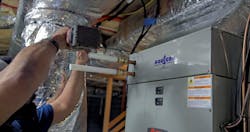
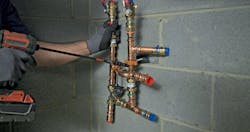
“The objective was to maintain the efficiency benefits of the heat pump during mild conditions while eliminating electric resistance heat during cold weather, improving comfort, lowering peak electrical demand and reducing overall operating costs,” says Armistead Mauck, Project Manager, Mauck Solutions, an independent energy consulting firm specializing in hybrid heating, dual-fuel HVAC systems and applied building science. The firm works with propane marketers, HVAC contractors, OEMs and industry organizations to develop practical solutions that improve comfort, reduce operating costs and maintain resilience as electrification increases.
Design, Coordination & Configuration
The homeowner faced a $6,000 electrical service upgrade to accommodate an expanded living area and future plans to finish a large unconditioned basement. The primary challenge was integrating new hybrid components into an existing home without major structural changes. This was addressed through careful system design, contractor coordination and proper control configuration to ensure seamless transitions between heat sources. Commissioning and installer training were critical to ensuring the system performed exactly as intended.
Seeking a more cost-effective option, the homeowner chose to install a hydronic heat pump solution and replace their electric tank water heater with a propane-powered tankless model. This decision both avoided the expensive electrical upgrade and also reduced electricity usage, freeing up more than 50% of their electrical service. To accommodate additional propane upgrades—including a clothes dryer, range, and outdoor fire pit—the homeowner moved from a 120-gallon tank to a 500-gallon tank.
But the key to this transformation was the addition of the Heat Pump Helper®, a trademark of North Carolina-based Bindus Manufacturing, which develops the hydronic heating coil—called the AQUECOIL® Hydronic Heating unit—used in the system.
The Heat Pump Helper allows the conversion of homes with new or existing electric heat pumps to dual-fuel space heating systems by installing a gas-fired water heater or boiler or using one already on-site. In this case, a Rinnai RX tankless unit was used for its high flow rates. The Heat Pump Helper comes with a kit—when paired with a tankless unit that includes a Taco Hydro Air Fan Controller and a Taco 0011 circ pump.
The Heat Pump Helper uses any available gas-fired hot water source—including boilers, combi boilers, tankless water heaters, or high input tank water heaters—combined with a water-to-air heat exchanger to insert the required BTUs of heat into the ducted air stream generated by the heat pump air handler. This design concept, known as “hydroheat,” enables the use of a single gas-fired burner package to accomplish the dual functions of domestic hot water and space heating, instead of installing two separate gas-fired appliances.
Comfort, Cost Control, Reliability
Tiger Fuel, whose service techs provided most of the plumbing on the project, installed the Rinnai tankless water heater and made the connections to the hydronic coil. They worked with Kennedy HVAC, the company that installed the hydronic coil on the air handler.
According to Taylor Sutton, Co-Owner and Chief Operating Officer, Tiger Fuel, the Heat Pump Helper replaces the auxiliary heating coil, usually powered by electricity, with a hot water coil that is connected to a loop fed by a water circulation pump connected to a traditional tankless water heater—in this case, the Rinnai RX tankless water heater.
Bindus supplied the hot water coil and the electronics that communicated with the thermostat and water pump, as well as the plumbing kit that tied into the residential hot water system. “This essentially turned the traditional tankless hot water heater into a boiler that could produce heat for the home in addition to domestic hot water. The hot water coil sat on top of the air handler in between the fan and the supply lines to the various rooms of the house,” says Sutton.
The Heat Pump Helper with the AQUECOIL system provides three significant attributes to the overall hydronic equation, “It improves comfort, reduces operating costs and it reduces winter peak demand on the national electric grid,” says John Borzoni, Bindus Manufacturing. The end result is “a magnificently efficient home,” says Borzoni.
Borzoni says that the Heat Pump Helper, combined with the AQUECOIL, accomplishes these three objectives by upgrading any conventional heat pump heating system to a dual fuel heating system; switching from all-electric heating to gas-fired/electric heating and eliminating the electric resistance heat strips customarily installed with residential heat pumps. The switchover decision is driven by dropping outdoor temperature and/or declining heat pump performance concurrent with the increasing residential heat load demand. “The heat pump heat strips are usually the largest single component of residential winter peak electric demand on the grid,” says Borzoni.
And because the main drivers for the upgrade were comfort, cost control and reliability, in colder conditions, the existing electric heat pump relied heavily on resistance heat, leading to high utility bills and less consistent comfort. “Propane provided a high-output, responsive heat source that eliminated electric resistance backup while maintaining a balanced energy approach. The solution also reduced strain on the existing heat pump as well as the home’s electrical system and improved resilience during extreme weather events,” says Mauck.
The homeowner has reported immediate improvements in comfort, particularly during colder weather, along with noticeably lower winter utility costs. “They also expressed appreciation for the system’s quiet operation, consistent indoor temperatures, and the peace of mind that comes from having a reliable backup heat source not dependent solely on electricity,” says Mauck.
To learn more about propane in hydronic heating applications, visit the Propane Education & Research Council website at propane.com.
Powered by Propane
Recent advances in home heating equipment present an opportunity for propane providers to work with builders and homeowners to enhance the performance of electric heat pumps. Benefits include:
COMFORT
Hybrid heat pump solutions deliver fast and consistent comfort, warming a home without relying on scorched, dry air from electric heat strips.
AFFORDABILITY
Compared to all-electric systems, hybrid heat pump solutions reduce operating costs by 35%.
EFFICIENCY
Hybrid heat pump solutions are energy efficient, requiring less amperage while still improving heating performance.
FLEXIBILITY
For homeowners considering future additions of solar- or wind-generated power, a hybrid heat pump solution can make installation more cost-eff ective due to the reduced electrical peak and running loads.