Winter is Coming - Is That Hydronic System Going to be Ready?
Key Highlights
- Perform visual inspections of the boiler room to identify corrosion, leaks, and damaged venting that could cause failures in winter
- Check water quality parameters such as system pressure, glycol condition, and water pH to prevent equipment deterioration
- Clean burner assemblies, heat exchangers, and condensate traps, and conduct combustion analysis to ensure efficient operation
- Inspect and properly charge expansion tanks, adding isolation valves if necessary, to prevent nuisance service calls during cold weather.
It’s the middle of July as I begin to write this article, it feels like an odd time to think about heating season. Most contractors are swamped with no-cool calls—servicing and replacing equipment and keeping their customers comfortable during the hottest days of the year.
That said, this is a column for Hydronics. Hopefully this column can help a contractor or two avoid the wintertime equivalent of a July 3rd no cool. Let’s get into what we should be thinking about now, before winter sneaks up on us: Preventative Maintenance.
Contractors who experience the fewest emergency heating calls in January are often the ones performing PM in July, August and September. The reality is that most boiler failures do not happen without warning. Boilers, pumps, controls and safety devices often provide clues long before a shutdown occurs.
No boiler owner wants to hear that their system has failed during the first major cold snap of the season. Likewise, no contractor wants to spend nights and weekends responding to emergency no-heat calls that could have been prevented with a thorough preseason inspection.
Start With Your Eyes
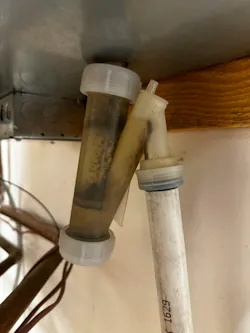
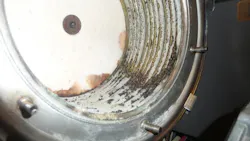
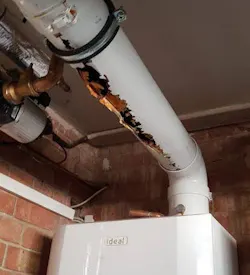
Begin with a detailed visual inspection of the boiler room. Look for corrosion, mineral deposits, water staining, rust, damaged insulation and deteriorated venting materials. Small leaks may seem insignificant during summer months but become major failures during winter operation.
Water Quality Matters
Verify system pressure, expansion tank operation, glycol condition and overall water quality. Excessive O2, incorrect pH and untreated fill water can significantly reduce equipment life and performance. Water quality is especially vital in water tube boiler applications and in combi boilers. If you are working on a combi boiler, be sure to flush the domestic heat exchanger.
Clean the Fireside
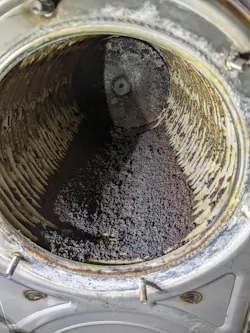
Inspect and clean burner assemblies, heat exchanger surfaces, condensate traps, neutralizers and drain lines. Clean/replace ignitors and flame sensors.
Combustion Test
Use a combustion analyzer. Document oxygen, carbon dioxide, carbon monoxide, stack temperature and efficiency ratings. Refer to your manufacturer I&O manual for proper combustion numbers. If you are working on an atmospheric boiler, use a manometer to test the flue stack.
Combustion testing is often overlooked and can lead to early equipment failures.
Review Controls and Sensors
View sensor placement and conductivity, inspect wiring and review the boiler programming. If used, ensure the outdoor sensor is reading correctly. Check flow switches and low water cutoffs are making and operating normally.
Do Not Forget the Rest of the System
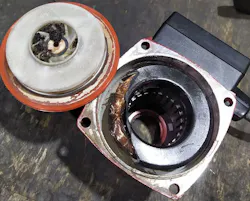
Inspect circulators, air eliminators, strainers, dirt separators, balancing valves and check valves. Take an amp draw on any circulators to make sure they are ready for winter. Remove and clean screens on air eliminators, strainers and dirt separators. Do not forget about mixing valves, many of these have screens on each port. If these screens become blocked, flow is lost and no heat calls are incoming.
Check the Expansion Tank
Expansion tanks cause more problems than most contractors realize. Many nuisance service calls originate from failed or improperly charged expansion tanks. Most manufacturers do not show a boiler drain and isolation valve in front of the tank. If these are not installed, take this time to add them. You must be able to isolate the expansion tank from the rest of the system to check for proper charge.
Turn Maintenance into Customer Education
Use this opportunity to help customers understand normal operation, warning signs, pressure ranges and the value of preventative maintenance.
Maintenance is Always Cheaper Than Failure
The inspections, tests, cleaning procedures and adjustments performed before winter directly influence how equipment performs during the coldest months of the year. The best no-heat call is the one that never happens.
Winter doesn’t create hydronic problems, it exposes them. The contractors who take time to inspect, clean, test and document systems during the summer are the same contractors who spend fewer nights answering emergency calls when outside temperatures drop. The work performed today determines how a system performs six months from now.
About the Author
Brady Brophy
Brady Brophy is a Hydronics Department Manager for Corken Steel Products with experience in both the contracting and distribution sides of the HVAC industry. He began his career in 2015 and became a Hydronics Specialist in 2018. Brady supports contractors with the design of radiant floor and snow melt systems, and works across design-build, bid/spec, and retrofit hydronic applications, providing equipment sizing, training and hands-on technical guidance.