Water Quality Basics for Plumbing Pros
Key Highlights
- Water hardness from calcium and magnesium can lead to scale buildup, reducing water flow and damaging pipes over time
- pH levels below 7 can cause pipe corrosion, while high alkalinity may accelerate scale formation, both impacting plumbing integrity
- Regular water testing helps identify harmful minerals and chemicals, enabling proactive maintenance and water treatment solutions
- Early leak detection through sensors and pressure testing minimizes water damage and reduces repair costs
- Water filtration systems like softeners and carbon filters protect plumbing components from corrosive chemicals and mineral deposits.
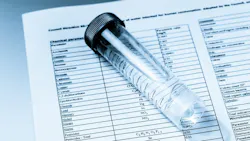
Understanding water quality requires some analysis of the components of a water system. With this information, professionals can learn how to determine the cause of plumbing wear or failure and formulate a plan to mitigate or prevent it.
Water Qualities That Affect Plumbing Systems
Water has certain qualities that can affect plumbing systems. As a universal solvent, it picks up minerals, chemicals, and microorganisms as it travels through soil and rock to a municipal supply or private well. The presence of minerals and contaminants, along with the water’s pH level, can damage pipes.
Hardness
Water hardness is a measurement of the amount of dissolved minerals, primarily calcium and magnesium, that are present. As water moves through its source, whether from a well of municipal system, it can carry these minerals with it. The higher the concentration of these minerals, the harder the water becomes. Hard water levels can vary depending on the region and water source.
When water pressure or temperature changes, or when water is heated or evaporates, dissolved minerals like calcium and magnesium can come out of solution and form scale deposits inside pipes and fixtures. If not cleaned or removed, these deposits will continue to accumulate until they affect water flow and pressure.
pH
Water pH is a measure of how acidic or alkaline water is, based on a scale from 0 to 14, with 7 being neutral. Levels below 7 are considered acidic, while those above 7 are alkaline. Additionally, the pH scale is logarithmic, meaning each step away from 7 is ten times more acidic or alkaline.
Water that is more acidic can gradually corrode pipes, plumbing fixtures, and water heaters. Over time, this corrosion can lead to leaks or even bursts. Some of the plumbing material, such as metals from the pipes, can also leech into the water being consumed or cooked with.
While alkaline water itself is not corrosively harmful to plumbing, it can enhance the rate at which scale forms. This is especially true when minerals such as calcium and magnesium are present.
Municipal Water
Water may contain contaminants that are not necessarily toxic to humans but could gradually damage plumbing. City water often contains chlorine and chloramine, which are used to disinfect the supply and remove harmful organisms such as bacteria and viruses. At higher levels, however, these chemicals can erode soft materials like rubber washers, gaskets, and seals in fixtures and water-using appliances.
The Cost of Ignoring Water Quality
Poor water quality doesn’t just affect plumbing. It can impact the entire system's lifecycle. Mineral buildup and corrosion can increase maintenance needs and reduce the efficiency of water-using appliances, leading to higher energy consumption.
Water quality can also affect the health of occupants, exposing them to toxins or pathogens. Corroded pipes may allow substances to leach into the water supply.
Over time, water quality issues can shorten the lifespan of pipes, fixtures, and components.
How to Promote Plumbing System Longevity
Increasing plumbing system longevity requires attention to routine maintenance, water testing, early leak detection, and possibly water treatment systems. All of these approaches should be considered when developing a water management plan.
Perform Routine Maintenance
Routine maintenance is likely the best way to prevent long-term damage to plumbing systems. Outside of a burst pipe or other sudden damage, most issues with plumbing pipes take time to surface. By the time they start to create issues for the property owner, the damage may already be extensive.
Routine maintenance provides an opportunity for plumbing professionals to evaluate the system and cast an expert eye on its performance. Regular inspection allows professionals to identify early signs of scaling, corrosion, or material degradation before they become major issues. Key activities include visual inspections of exposed piping and fittings, flushing the system to remove buildup, and monitoring pressure changes that may indicate clogging or damage.
Conduct Water Testing
Many of the issues with a plumbing system show up in the water, highlighting the efficacy of water testing as part of a plumbing maintenance regimen. Regular water testing provides critical insights into what is happening within the system. It can identify key factors such as hardness levels, pH values, concentrations of heavy metals like iron, lead, and copper, and the presence of chlorine or chloramine.
Regular water testing can identify these levels and compare them to regulated standards for water safety. Water with high levels of lead or iron may indicate a corroded pipe, while high minerals reflect hard water. Comprehensive testing can identify risks that could eventually lead to leaks or blockages.
Implement Early Detection Protocols
Early detection is key to minimizing damage from worn plumbing. Property owners may not notice a minor leak until it accumulates significant water damage that is expensive to remedy. Early detection protocols, such as water pressure testing or the integration of sensors, can help property owners to get information about water usage and the presence of leaks. This information continues to be useful during maintenance and repair, as plumbing professionals can use the data to quickly identify the location of the leak and arrange for prompt repairs.
Consider Using Water Filtration
For severe conditions that cannot be remedied by regular maintenance or cleaning, additional steps may be required. Common solutions include water softeners that reduce calcium and magnesium to prevent scale buildup, and carbon water filters that remove chlorine, chloramines, and organic contaminants while protecting seals, gaskets, and internal components.
Sediment filters capture particulates before they enter the plumbing system, while specialty filtration, such as iron filters or pH neutralizers, addresses specific conditions that accelerate corrosion or buildup. Properly designed filtration systems not only improve water quality but also act as a protective barrier for the entire plumbing system.
Conclusion
Plumbing systems are designed to last for decades, but only under the right conditions. Water quality plays a critical role in determining whether those systems reach their expected lifespan or fail prematurely. From mineral scaling and corrosion to chemical degradation and sediment wear, water can quietly compromise plumbing performance over time.
By following these best practices, property owners and professionals can reduce costs, improve performance, and extend the system’s life.
About the Author
John Woodard
John Woodard is the Technical Support and Training Manager at Fresh Water Systems, an industry-leading supplier of residential, commercial, and pharmaceutical water treatment solutions and fluid components. Woodard has 34 years of experience in the water treatment industry, covering many facets working for manufacturers, dealers and wholesale distributors. He also has a Master Water Specialist certification from the Water Quality Association.