Preventing Water Intrusion: A Jobsite Risk Contractors Should Not Ignore
Key Highlights
- Develop a site-specific WDPP that includes routine inspections, maintenance, and emergency response procedures
- Utilize technology such as water sensors and backflow preventers to detect leaks early and prevent extensive damage
- Ensure building envelope integrity by sealing roof decks, controlling temporary water sources, and maintaining proper drainage systems
- Train crews regularly on water hazard recognition and response, integrating water risk management into daily routines.
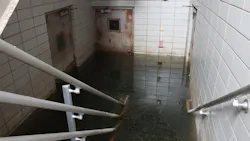
Water damage continues to be one of the most frequent and costly sources of loss on construction projects. Whether it’s new construction or renovation work, uncontrolled water can quickly derail schedules, damage finished work and drive-up insurance claims.
Consider two common scenarios. On one project, heavy rain flooded a sub-basement and destroyed a newly installed electrical transformer because a roof drain had not been properly connected. On another, a broken drinking-fountain supply line in a multi-story renovation ran unnoticed over a weekend, soaking complete floors below and undoing weeks of work.
In both cases, the damage was avoidable. What was missing was a clear, enforced approach to water risk management—starting with a solid Water Damage Prevention Plan (WDPP).
Designed to prevent, detect, and limit damage from unintended water release such as leaks, burst pipes, sprinkler discharges, HVAC failures, roof leaks, or surface water intrusion, an effective WDPP is one of the most effective tools for reducing frequent, high‑severity property losses. Its purpose is to reduce property damage, business interruption, and secondary impacts (e.g., equipment downtime and tenant displacement).
Why Water Damage Prevention Needs to Be a Priority
Unlike many construction hazards, water damage often starts small and escalates quickly. A minor leak can spread through walls, ceilings and floors before anyone realizes there is a problem. Once finishes are installed, the cost of repairs multiplies—and responsibility disputes often follow.
A strong WDPP helps contractors identify where water exposure exists, control it during construction and respond quickly when something goes wrong.
Core Elements of an Effective Water Damage Prevention Plan
At its foundation, a WDPP should be practical and site-specific. It integrates people, procedures, physical safeguards, and technology into a coordinated system that works before, during, and after a water event. Key components include routine inspections to identify uncontrolled water sources and basic maintenance tasks, such as keeping roof drains free of debris and ensuring temporary drainage directs water away from the structure.
More advanced plans also use readily available technology. Backflow preventers on sewer connections help reduce the risk of backups, while water-sensing devices can monitor high-risk areas and alert crews to leaks before significant damage occurs.
The goal is early detection and fast response—two factors that consistently reduce the severity of water-related losses.
Common Sources of Water Intrusion on Jobsites
While water can enter a building in many ways, contractors should pay close attention to three primary exposure areas:
- Building envelope: Roofs, walls and floors that must remain weather-tight throughout construction
- Interior systems: Domestic water piping, HVAC systems, hot water heaters, water-fed equipment and sprinkler systems
- Exterior conditions: Poor grading, clogged gutters, downspouts, landscaping issues and weather-driven surface water
Understanding these exposure points allows project teams to focus inspections and controls where failures are most likely to occur.
Practical Steps Contractors Can Take
Preventing water damage does not require complex systems, it requires consistency. Contractors should consider implementing clear procedures that include:
- Enforcing quality control across all trades
- Verifying a weather-tight building envelope as work progresses
- Protecting unfinished openings at the end of each workday
- Inspecting roof drainage systems regularly
- Confirming positive drainage away from the building
- Sealing all penetrations and sleeves
- Controlling and monitoring temporary water sources
- Inspecting all water-bearing system installations
- Using “Inspect–Charge–Observe–Drain” procedures during system testing
- Protecting vulnerable materials and finished surfaces
- Implementing freeze protection during cold weather
- Keeping shutoff valves and drains accessible at all times
- Installing early detection water sensors where appropriate
- Performing daily water-risk walkdowns
- Training crews to recognize water hazards and respond immediately
These steps are most effective when they are part of daily jobsite routines—not just addressed after a loss occurs.
The Impact of Building Codes
Building codes play an important role in reducing water intrusion, particularly when it comes to roof construction. Many buildings are still constructed without sealed roof decks, which is the structural surface beneath roofing materials. If high winds remove shingles or roofing membrane, rain can enter directly through the deck.
Sealing the roof deck during construction adds a relatively low-cost layer of protection and can prevent extensive interior damage. Over the life of a building, this approach can save tens of thousands of dollars in avoided repairs.
Strengthening Buildings Against Severe Weather
For existing buildings undergoing renovation, contractors have opportunities to improve resilience. Strengthening framing systems can help structures better withstand high winds from hurricanes or severe storms, reducing the chance of wind-driven rain entering the building.
Drainage planning is equally critical. Evaluating wall assemblies, roof systems, windows, doors, exterior drainage and landscaping can significantly reduce water exposure. Contractors should also identify the locations of critical mechanical and electrical equipment and confirm emergency power systems can support those assets during outages.
Using Technology to Reduce Losses
Water-sensing technology is becoming a valuable tool on construction projects. These systems provide early warnings when leaks or water intrusion occur—especially in areas that may not be visited regularly.
The cost difference between responding immediately to a leak and discovering damage hours or days later can be dramatic. Early alerts often mean the difference between a simple fix and a major insurance claim.
Managing Water Risk Through Planning and Partnerships
Water damage remains one of the leading causes of property loss in construction. Contractors can significantly reduce exposure by identifying risks early, implementing a practical WDPP and using technology to support monitoring and response.
With disciplined planning, consistent execution and proactive risk management, contractors can protect their projects, maintain schedules and avoid the costly impacts of water intrusion.
About the Author
Andy Swift
Andy Swift is a construction technical manager in The Hartford’s Risk Engineering organization.