Avoiding Long- and Short-Term Effects of Corrosion During Boiler Layup and Startup
Key Highlights
- Corrosion during boiler layup and startup can cause significant equipment damage and operational disruptions if not properly managed
- Traditional layup methods like desiccants and nitrogen blanketing have limitations; VCIs actively form protective layers on metal surfaces for better corrosion prevention
- Proper corrosion control strategies lead to smoother operation, fewer repairs, and extended boiler service life, making preventative measures a valuable investment.
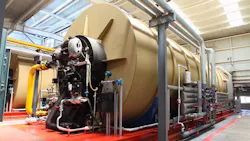
Corrosion control is a well-established component of any boiler water treatment program. Where facilities tend to fall short is boiler layup and startup, when the normal operating water treatment chemistry is no longer effective. Corrosion during this period can have both short- and long-term repercussions that interfere with efficient operation and gradually affect equipment integrity. Many of these problems are easily solved through the strategic selection and application of the appropriate corrosion inhibitors for layup and startup.
Dangerous Times: Layup
According to Scott Bryan, Certified Water Technologist and Cortec Director of Business Development—Water Treatment, the majority of boiler corrosion starts while the boiler is idle. “This isn’t just my assessment,” Bryan noted. “Improper layup procedures are widely recognized as a leading cause of boiler tube failures. Industry authorities and technical organizations including ASHRAE, EPRI, AWT... and multiple major boiler manufacturers have all repeatedly warned that inadequate layup practices pose a serious and preventable risk to boiler reliability.”
One of the most common methods for dry boiler layup is the application of desiccant to absorb residual moisture after the system is drained. Rather than actively fighting corrosion on metal surfaces, desiccant only offers passive protection by removing moisture from the system. This absorbent material typically must be removed at startup to avoid even more serious problems in the boiler.
Another common approach to corrosion prevention is to displace oxygen through nitrogen blanketing. This is especially common for large power plant boilers. However, it is an expensive task that includes initial application costs and the cost of maintaining positive pressure throughout the layup period or reapplying nitrogen if pressure is lost. A third option is to do nothing more than shut off the boiler, leaving it completely unprotected from corrosion development. This is too often the case, for lack of a better answer.
Dangerous Times: Startup
In addition to increased vulnerabilities during layup, startup is another stage of high risk because the chemical operating program has not been returned to normal. To make matters worse, the water used to initially fill the boiler is often unheated and has no chemical treatment yet, which results in an even higher level of dissolved oxygen that makes oxygen pitting more likely.
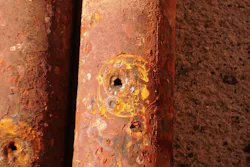
Whatever the stage, inadequate protection leaves behind corrosion that degrades the equipment and contaminates the water. Pitting corrosion can create serious leaks in the system, interrupting operation, and demanding repair or replacement. According to Bryan, “While overall boiler failures may arise from multiple causes, industry consensus recognizes oxygen-driven corrosion in idled boilers as the predominant cause, estimated to account for up to 80% of boiler tube failures.”
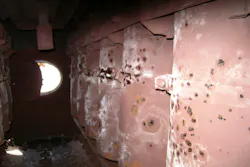
Even gradual metal loss over time will eventually compromise the system and shorten the service life of the equipment. Bryan noted, “Corrosion-related leakage elsewhere in the system can allow hard water to enter areas where it does not belong. In addition, corrosion products can be released into the water, where they may clog the system or raise iron concentrations to levels that reduce the effectiveness of water treatment chemistry. This is particularly concerning in high‑purity steam systems, which rely on condensate polishing to keep normally low levels of contaminants from returning to the boiler. Condensate polishing systems, however, have limited capacity and any sustained levels of corrosion by-products or process leakage will greatly increase the maintenance requirements.”
Simple Corrosion Prevention Solutions
Problems such as these, although they bring serious complications, are easily prevented, especially with Vapor Corrosion Inhibitors (VCIs) for dry or wet layup. Unlike desiccants or nitrogen blanketing, which only seek to remove elements (e.g., moisture or oxygen) that cause corrosion problems, VCIs actively protect the metal from reacting with corrosive elements by forming a protective molecular layer on the surface of the metal. This light, but not permanent, bond is called adsorption and takes place after the corrosion inhibiting molecules have diffused throughout the boiler enclosure by vapor action. Such a characteristic also means they are able to reach surfaces where it would be difficult to apply a coating or otherwise get access. The key is (1) to apply sufficient VCI material to fill the entire space for the duration of the layup and (2) to keep all openings closed.
Although some VCIs may escape if the boiler is temporarily opened for inspection during the layup period, these will be replenished by other VCIs once the boiler is reclosed—in contrast to nitrogen blanketing, which must be completely reapplied if pressure is lost.

At startup, corrosion inhibitor chemistry should target the high presence of dissolved oxygen and the higher risk of oxygen pitting, providing a blast of chemistry to compensate for the absence of normal water treatment chemicals that have not yet reached normal operating levels.
Knowledge and Chemistry That Makes a Difference
By preventing corrosion at these two vulnerable stages, the risk of system damage, iron poisoning, and contamination drop significantly. Startup can be smoother and operation can continue uninterrupted by leaky boiler tube replacements or troubleshooting. Like any preventative maintenance exercise, a smaller investment up front can have huge benefits later—simply by avoiding all the problems that come from corrosion. The right knowledge, tools, and chemistry make all the difference.
Special thanks to Scott Bryan, CWT (Cortec Director of Business Development—Water Treatment) for technical support.
About the Author
Julie Holmquist
Julie Holmquist has been a Marketing Content Writer at Cortec® Corporation for more than 10 years and enjoys learning about the many aspects of industry where VCIs can be applied. Contact her at [email protected] or [email protected] for more information.