Preventing Leaks and Service Callbacks in Pressure Boosting Systems
Key Highlights
- Use both thread tape and thread sealant on threaded fittings to ensure a reliable, leak-free connection
- Properly lubricate and carefully install O-rings following manufacturer guidelines to prevent future leaks
- Avoid overtightening fittings; follow torque specifications to prevent damage and leaks over time
- Conduct thorough startup procedures, including pressure verification and connection inspections, before leaving the site
- Opt for integrated, packaged pressure boosting systems to reduce installation complexity and minimize errors.
Service callbacks are always frustrating. And as labor and material costs continue to climb, they’re more than just an inconvenience—they can take a toll on a contractor’s bottom line.
With skilled labor in short supply and technicians managing increasingly full schedules, every return trip means lost revenue, reduced productivity, and diminished customer satisfaction. For contractors installing residential pressure boosting systems, many of these callbacks can be traced to preventable issues that occur during system selection, installation, or startup.
As demand for residential pressure boosting systems grows, getting installation right the first time is critical. Homeowners expect reliable, consistent water pressure throughout their home, and contractors want systems that install easily and operate without issue. Understanding the most common causes of leaks and service callbacks can help installers reduce risk and deliver a better customer experience.
Improperly Sealed Threaded Connections
When leaks occur in residential pressure boosting systems, the culprit is often not the pump itself but the connections around it.
Threaded fittings on the suction and discharge sides of the system are among the primary sources of leaks. Even small installation oversights can create issues that don't become apparent until after the contractor has left the jobsite.
One common mistake is relying on a single sealing method. For many pressure boosting applications, manufacturers recommend using both thread tape and thread sealant on threaded connections. Multiple wraps of tape followed by thread sealant can help create a more reliable seal and reduce the likelihood of leaks developing over time.
While applying both may seem like a minor step, skipping one or the other can increase the risk of a callback that could have been avoided.
Overlooking O-ring Installation Best Practices
O-rings play a critical role in preventing leaks, yet they are often treated as an afterthought during installation. Proper lubrication helps ensure O-rings seat correctly and are not damaged during assembly. Contractors should follow manufacturer recommendations and use potable water-approved lubricants where required.
A damaged or improperly installed O-ring may not fail immediately, making it particularly challenging to diagnose later. Taking a few extra moments during installation can help avoid hours of troubleshooting and a return visit down the road.
Overtightening Fittings
Contractors are usually taught that tighter is better when it comes to plumbing connections. In reality, overtightening can create just as many problems as loose fittings.
Many modern pressure boosting systems incorporate advanced engineered composite materials that offer excellent durability and corrosion resistance. However, excessive force during installation can damage threads, compromise fittings or create leak paths that develop over time.
Following manufacturer installation guidelines and tightening specifications remains one of the simplest ways to improve long-term reliability. When installers resist the temptation to apply excessive force, they also reduce the risk of damaging components before the system is even commissioned.
Skipping Critical Startup and Testing Procedures
In today's competitive environment, contractors are constantly looking for ways to complete projects faster. However, rushing through startup procedures can lead to costly consequences.
Before leaving the jobsite, contractors should thoroughly inspect all connections, verify pressure settings, and confirm that the system is operating as intended under normal conditions. A comprehensive startup process helps identify issues while the installer is still onsite rather than after the homeowner discovers a problem.
Expansion tanks deserve particular attention. In applications that include a water heater, manufacturers typically recommend installing an additional expansion tank on the discharge side of the system to help manage pressure fluctuations and reduce stress on system components.
These final checks may add a few minutes to the installation process, but they can save hours of service later.
Underestimating the Impact of Installation Complexity
Not all callbacks stem from individual mistakes. In many cases, complexity creates opportunities for errors.
Historically, contractors assembled pressure boosting systems from separate components, installing individual pumps, drives, sensors, and tanks in the field. While effective, this approach introduced additional installation steps, more wiring, and more opportunities for something to go wrong.
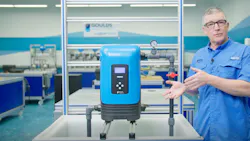
Today's pressure boosting systems are increasingly designed as integrated, appliance-like solutions that simplify installation and reduce variability. Goulds Water Technology's AquaCase, for example, combines the pump, controls, sensors and tank into a single packaged system, reducing the number of components contractors must install and commission onsite.
By minimizing installation complexity, packaged systems can help reduce common errors that lead to leaks and service callbacks. For contractors, that means faster installations, greater consistency and less time spent troubleshooting issues after the job is complete.
The Real Cost of a Callback
For contractors, a callback is rarely a minor inconvenience. A return trip typically means additional labor, scheduling disruptions and lost productivity. Because installation-related issues often can’t be billed back to the homeowner, every callback can directly impact profitability.
Homeowners feel the effects as well. A leak can disrupt water service, create concerns about system reliability and, in serious cases, result in property damage. Depending on where a system is installed, even a relatively small leak can become a major headache.
Preventing these issues from the start helps protect both contractor reputation and homeowner satisfaction.
Looking Ahead
As pressure boosting technology continues to evolve, many modern systems now feature connected monitoring capabilities, mobile applications and Wi-Fi connectivity that allow contractors and homeowners to receive alerts, adjust performance and identify potential issues before they become significant problems.
Remote firmware updates and advanced diagnostics also are becoming more prevalent, helping reduce maintenance needs while improving the overall user experience.
As these technologies continue to develop, the fundamentals of a successful installation remain unchanged. Proper sealing practices, careful component installation, thorough startup procedures and attention to manufacturer recommendations will continue to be the most effective ways to reduce leaks and avoid costly service callbacks.
For contractors, preventing a callback isn't just about avoiding extra work. It's about protecting profitability, maintaining customer trust and ensuring every installation delivers the reliable operation homeowners expect.
About the Author
Tom Stephan
Tom Stephan is Training Manager for Xylem Goulds Water Technology, based in Seneca Falls, New York. With 38 years in the water industry, he leads residential and commercial water product training through hands-on sessions, webinars, and e-learning programs. Tom is a Cornell University graduate with a background in Business Management and Marketing.