Cambridge Project Demonstrates Real-World Potential of Greywater Systems
Key Highlights
- Cambridge project shows how greywater systems work in real-world commercial applications
- Water reuse can reduce sewer system strain and improve stormwater management
- Growing legislative push could expand demand for greywater system installation
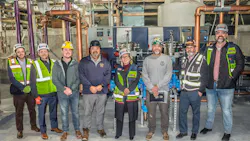
CAMBRIDGE, MA — State and local officials recently toured a large-scale greywater reuse system under construction at the 585 Kendall Square project, offering a firsthand look at how water reuse can be applied on commercial jobsites.
The system is designed to capture rainfall within the building footprint and reuse it for non-potable applications such as toilet flushing, irrigation and cooling—helping reduce demand on municipal water and sewer systems.
Project Demonstrates Practical Water Reuse at Scale
The tour was organized by a coalition that includes UA Plumbers Local 12, the Greater Boston Plumbing Contractors Association, Plumbing-Heating-Cooling Contractors of Massachusetts and the International Association of Plumbing and Mechanical Officials.
The group is working to advance water reuse strategies that can be realistically implemented across the state.
Attendees included multiple state legislators and staff, who were able to walk the jobsite and see how the system collects, treats and redistributes water within the building.
“As climate change brings bigger and more frequent storms to our region, I am proud to support projects like this that save water and make our sewer systems more resilient,” said Senator Sal DiDomenico. “I am grateful for the plumbers in my district and across our state advocating for more sustainable and practical technology like the greywater systems here in Cambridge.”
Reducing Sewer Load and Managing Stormwater
The system, installed by a signatory contractor working with Plumbers Local 12, is designed to capture stormwater before it enters the sewer system.
For contractors and engineers, this approach addresses a growing challenge: managing higher volumes of rainfall while maintaining system capacity.
By storing and reusing water onsite, greywater systems can help reduce pressure on combined sewer systems—an ongoing issue in many Massachusetts communities where heavy storms can lead to overflows.
Installation Requires Skilled Labor and Code Compliance
The project also highlights the importance of proper installation and code compliance.
Greywater systems require strict separation from potable water systems, including clearly identified piping and adherence to established safety standards. Licensed plumbers play a critical role in ensuring these systems operate safely and as designed.
For the trades, these systems represent both a technical challenge and a growing area of work tied to water management and sustainability.
Legislation Could Expand Adoption
State legislation under consideration—including House Bill #922 and Senate Bill #591—aims to establish a clearer framework for greywater use across Massachusetts.
If adopted, these measures could create more opportunities for contractors to incorporate water reuse systems into future projects.