New AI Guidebook Helps Water Utilities Evaluate Potable Reuse Technologies
Key Highlights
- Free technical resource: The guidebook provides practical implementation strategies for AI and machine learning in water treatment operations
- Beyond potable reuse: While focused on potable reuse, many recommendations also apply to conventional drinking water and wastewater treatment facilities
- Real-world utility applications: Topics include predictive maintenance, process optimization, digital twins, fault detection and water quality forecasting
WALNUT CREEK, CA — Carollo Engineers and its research partners have released a free guidebook to help water utilities evaluate and implement artificial intelligence (AI) and machine learning (ML) technologies for potable reuse systems.
The AI & Machine Learning Guidebook for Potable Reuse provides utilities with practical guidance for deploying AI and ML tools that improve operational efficiency, support treatment decisions and enhance system performance. Although the publication focuses on potable reuse applications, many of its recommendations also apply to conventional drinking water and wastewater treatment facilities.
Guide Covers AI Implementation From Planning to Operation
The guidebook was developed by Carollo Engineers, Yokogawa, the National Water Research Institute (NWRI) and Baylor University through the US Bureau of Reclamation-funded research project Data-Driven Fault Detection and Process Control for Potable Reuse with Reverse Osmosis and Membrane Bioreactors.
Industry input from utility operators, researchers and consultants helped shape the publication, which addresses every stage of AI implementation—from data management and model development to pilot testing, cybersecurity, workforce training and long-term system maintenance.
Focus on Practical Utility Applications
The publication highlights several real-world applications for AI and ML, including process optimization, predictive maintenance, water quality forecasting, digital twins and automated fault detection.
Rather than focusing solely on software or algorithms, the guide emphasizes that successful AI adoption depends on strong operational practices, including high-quality data, operator involvement and organizational readiness.
“Artificial intelligence and machine learning have the potential to help utilities make better use of the vast amount of operational data generated every day,” said Andy Salveson, Vice President at Carollo Engineers and principal investigator for the project. “This guidebook provides a practical path forward for utilities interested in exploring these technologies, from understanding the fundamentals to successfully implementing and maintaining tools that support more informed operational decisions.”
Phased Approach Aims to Reduce Implementation Risk
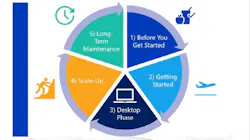
The guide recommends utilities adopt AI and ML technologies through a phased implementation process that allows operators to validate performance, build confidence and reduce project risk before expanding deployment.
In addition to technical considerations, the guide discusses cybersecurity planning, workforce preparedness and long-term maintenance strategies that can help utilities integrate AI into day-to-day operations.
The AI & Machine Learning Guidebook for Potable Reuse is available as a free download for utilities, regulators, researchers and other water industry professionals interested in applying AI and machine learning technologies to potable reuse and other water treatment applications.
To download a copy of the guidebook visit carollo.com/expertise/digital-water-services/ai-ml-potable-reuse-guidebook.