How Built‑In Safety Technology Is Reshaping Jobsite Expectations
Key Highlights
- Built-in safety features such as torque regulation, auto-shutoff, and tether-ready designs help reduce common hazards
- Advanced electronics and sensors provide real-time diagnostics and awareness, enabling proactive risk mitigation and data-driven safety improvements
- These technological advancements support compliance with OSHA standards and elevate safety from procedural to design-based, fostering a stronger safety culture
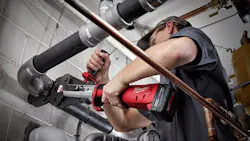
Each year, Safety Week offers the construction industry an opportunity to pause, reflecting on progress made, lessons learned, and the shared responsibility of protecting the professionals doing the work. As Safety Week 2026 approaches, one trend is becoming clear across mechanical, plumbing, and HVAC jobsites: safety is no longer an afterthought. It is increasingly designed into the tools and systems tradespeople rely on every day.
Rather than treating safety as a checklist item or procedural add-on, contractors are seeing how integrated technology is reshaping jobsite expectations: influencing the way work gets done, how crews operate, and how safety culture takes root. This evolution follows a broader industry recognition that engineering controls, when thoughtfully implemented, can help reduce risk without compromising productivity, aligning with the higher tiers of OSHA’s hierarchy of controls compared to administrative measures or PPE.
Why Built‑In Safety Matters on Today’s Jobsites
Mechanical, plumbing, and HVAC work carries inherent risks. Over‑torque injuries, sudden tool bind-ups that can cause kickback, repetitive wrist strain, and dropped objects during overhead installs remain frequent contributors to jobsite incidents. These hazards are compounded by real-world pressures: aggressive schedules, labor shortages, and a growing expectation for speed and efficiency.
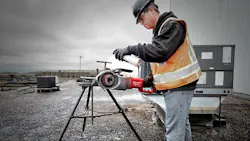
When risk reduction depends heavily on manual intervention or perfect human reaction, exposure often increases, especially during repetitive or high-stress tasks. Built-in safety features help address this gap by acting as an engineering safeguard, reducing reliance on reaction time and supporting safer outcomes through consistent, predictable tool behavior.
By embedding protective functions directly into equipment, contractors reinforce their responsibility for proactive risk management, making safety less about additional steps and more about smarter jobsite integration.
The Evolution of Integrated Safety Technology
Historically, many safety measures were introduced after a loss-time incident or regulatory mandate. Guards, training programs, and PPE remain essential, but they typically operate outside the tools performing the work. Today, that separation is narrowing.
Modern equipment increasingly incorporates electronic systems, sensors, and intelligent controls that proactively detect abnormal conditions and respond automatically. This shift underscores a key principle: safety and performance are not opposing forces. Tools that behave more predictably can build operator confidence, improve precision, and reduce variability in high-risk tasks, where stakes are highest for both safety and productivity.
Technology Advancements Making a Difference in the Field
Several areas of technology now play an important role in this evolution:
Torque Management Systems
Maintaining correct torque or applied force is important for mechanical connections and pipe fittings, yet over-tightening remains one of the most common sources of rework and musculoskeletal strain. Integrated systems that regulate fastening torque can help deliver spec-compliant results without relying solely on manual torque wrenches. By mitigating excessive force, these technologies reduce leaks, callbacks, and cumulative injury risk.
Auto‑Shutoff and Kickback Control
Sudden bind-ups during drilling or coring, including overhead scenarios, present serious injury risks to wrists and shoulders. Shutoff systems using embedded sensors can detect abnormal rotational movement and are designed to rapidly cut power when a bind-up is detected. On jobs requiring awkward positioning, such automated intervention is proving important to reducing high-severity incidents.
Trigger‑Lock and Smart Clutch Systems
Electronic clutches can disengage drive when fasteners are fully seated or thresholds exceed safe resistance. This prevents unexpected torque transfer to the operator, supporting control during repetitive or precision fastening tasks.
Drop Protection and Tether‑Ready Designs
Dropped objects remain a leading hazard on multi-level projects. Built-in anchor points and purpose-designed tether features allow tools to be secured without improvised methods, supporting site drop-prevention policies.
Sensor‑Driven Awareness and Diagnostics
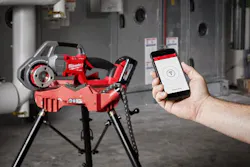
Advanced electronics now assist operators by flagging overloads or atypical usage patterns. When shared appropriately with crews and supervisors, this data can inform training or workflow refinements. Managed responsibly, these insights can enhance prevention strategies without compromising trust.
Driving Safety Culture Through Adoption
Technology only delivers results when integrated effectively. Supervisors increasingly expect safety features to complement PPE and procedural control, not replace them. Worker adoption remains pivotal, and usability is the differentiator. Features that are intuitive, require minimal setup, and maintain productivity gain acceptance quickly; those that feel disruptive risk being bypassed.
Training programs are adapting accordingly. Short, practical micro-sessions that explain why features exist, and what operators should do when systems like auto-shutoff engage, help normalize technology as part of routine work.
Contractors report that when safety functions clearly align with getting the job done right, buy-in accelerates.
Impact on Safety Programs and Compliance
Integrating built-in protections positions contractors closer to the top tiers of the hierarchy of controls, reducing reliance on administrative measures alone. Reported outcomes include fewer near-miss incidents and greater consistency in task execution.
Data-driven accountability is attracting attention, too. Where available, event indicators and usage data can inform training, documentation, and continuous improvement. Secondary benefits sometimes follow: clearer documentation and stronger risk-mitigation narratives during prequalification.
Looking Ahead: From Differentiator to Expectation
Many in the industry anticipate a continued shift where features such as torque regulation, shutoff control, and integrated tethering evolve from premium differentiators to baseline specifications. While timing will depend on market and regulatory drivers, these capabilities are increasingly considered essential for professional-grade solutions.
Emerging connected-jobsite platforms may extend this trend further, linking tool behavior analytics to proactive training and predictive insights. For safety managers, this promise moves programs closer to prevention, helping anticipate risk patterns before they amplify.
Shared Responsibility and the Road Ahead
Safety Week reminds the industry that progress isn’t tied to a single solution. It flows from incremental improvement, shared accountability, and the willingness to rethink jobsite norms. Built-in technology will not replace leadership or culture, but it can strengthen both by embedding prevention into everyday workflows.
As mechanical, plumbing, and HVAC teams navigate rising expectations, these integrated safeguards represent more than features. They signal an industry shift toward engineering controls that protect workers without slowing work, transforming safety from a procedural mandate into a design principle.
Protecting skilled professionals has always been the goal. Increasingly, the tools themselves are working alongside crews to help ensure that protection.