Solving the Heat Pump Water Heater Puzzle: A Guide for Contractors
Key Highlights
- HPWH installation is similar to traditional electric water heaters, using existing electrical hookups and simple condensate management, making it accessible for both plumbers and HVAC technicians
- Advanced inverter technology allows HPWHs to adjust capacity based on demand, ensuring efficiency, quiet operation, and increased hot water capacity options like 58- and 80-gallon models
- The cooling and dehumidifying byproducts of HPWHs can improve indoor air quality and comfort, especially in humid climates or damp spaces like basements and laundry rooms
- Significant cost savings are possible, with potential annual savings of over $300, plus rebates and tax credits that can offset installation costs and enhance ROI

For plumbing and HVAC contractors, the phrase “heat pump water heater” (HPWH) may conjure images of unfamiliar technology, complex installations and a steep learning curve.
This perception likely stems from early models and a hesitancy to adopt technology beyond traditional electric water heaters.
What if adopting the latest water heating technologies was easier than expected and could also create new revenue streams by offering additional benefits to customers?
HPWHs are a present reality and addressing misconceptions and turning challenges into strategic advantages can be an important factor in staying competitive in the evolving water heating landscape.
Debunking the Complexity Myth: Installation Made Simple
A common concern among contractors is that installing HPWHs may be too complex or outside their area of expertise. Plumbers may feel uncertain about the heat pump component, while HVAC technicians might avoid plumbing intricacies. However, at its core, the process is similar to installing a standard 50-gallon electric water heater, providing a familiar framework for both trades.
The latest HPWH models use the same electrical hookups as conventional electric water heaters, typically a 30-amp circuit, which simplifies the transition. The primary difference lies in condensate management, which in many installations can be accommodated with existing pipes and drains. Water heaters are often installed near HVAC equipment or gas furnaces, where pumps or drains are already in place. Adding a condensate pump or integrating with an existing line is straightforward.
For plumbers, another key point of reassurance is that HPWHs use a sealed refrigeration cycle. This removes the need for most specialized US Environmental Protection Agency (EPA) licenses, gauges or refrigerant handling under normal installation conditions. The process is similar to installing a self-contained appliance, such as a refrigerator, with the additional step of connecting water lines and addressing condensate handling.
With these factors, HPWHs become a manageable and approachable upgrade.
Innovative Technology Driving Superior Performance
What makes HPWHs stand out from traditional solutions? It starts with cutting-edge technology designed for efficiency and user experience.
Unlike traditional single-speed compressors, manufacturers are now developing HWPHs with inverter technology that allows the unit to adjust based on demand, helping optimize energy usage. They can operate across a wide capacity range to meet peak hot water needs. This intelligent modulation helps ensure consistent performance and helps drive significant energy savings.
The modern design of HPWHs combines sleek aesthetics with quiet operation with reported sound levels as low as 40-42 decibels, making them suitable for installation in a variety of living spaces. Select manufacturers now offer 58-gallon models as a standard option, providing more hot water capacity compared to traditional 50-gallon units. For larger households or replacements, 80-gallon models may help address a product gap created as some 80-gallon electric tank water heaters were phased out in certain markets due to code changes.
Turning Byproducts into Benefits: Unconventional Advantages
One frequently cited challenge of HPWHs–their tendency to cool and dehumidify the surrounding air—can be a major benefit for homeowners, especially in humid climates, and a strong selling point for contractors.
Take, for instance, a home in a hot, humid climate like Florida. In appropriate locations, installing a HPWH in the garage may create a cooler, drier space but also may help reduce the cooling load on the rest of the house, helping to increase overall energy savings depending on the installation conditions and climate. What might seem like a drawback in some installations becomes an advantage, improving both comfort and efficiency.
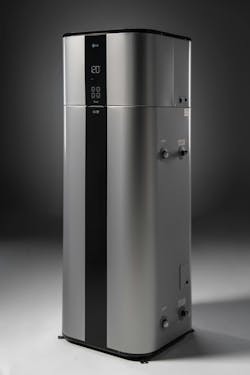
Basements, often associated with damp, musty conditions, may also benefit from a HPWH’s ability to act as a supplemental dehumidifier and air circulator. This can help prevent stale air, protect stored items from moisture damage and enhance the overall usability of the space.
Laundry rooms, another trouble spot due to the heat and humidity generated by appliances, can also improve with a HPWH. Homeowners can enjoy a cooling effect while the same byproduct can be leveraged in certain niche applications, such as helping to keep wine cellars cool and conditioned.
Manufacturers are also introducing HPWHs with a larger tank capacity and faster recovery rates, ensuring the entire household has consistent access to hot water. No more cold showers for those at the end of the line.
The Compelling ROI and Future-Proofing Your Business
HPWH technology offers a compelling return on investment for homeowners and a valuable opportunity for contractors.
For homeowners, the financial benefits are clear, particularly when combined with rebates and tax credits. A standard 50-gallon electric water heater has a Uniform Energy Factor (UEF) of about 0.94 and an annual operating cost of nearly $500. In contrast, select 58-gallon HPWHs have a UEF of up to approximately 3.93 and an estimated average annual operating cost as low as $177. This equates to potential average annual savings of more than $300, which may increase with larger households or higher electricity rates and will vary based on usage patterns and local conditions.
Financial advantages may grow with local utility rebates and federal tax credits. Many utility providers provide rebates, which in some programs may exceed $1,000, for HPWH installations. Federally, homeowners may be eligible to claim up to a 30% tax credit on the installed cost subject to the applicable program requirements and limits, up to $2,000 after applicable utility rebates. These incentives can help drastically reduce upfront cost, making HPWHs an attractive option.
For contractors, embracing HPWH technology isn’t just about immediate profits; it’s a smart strategy for future-proofing their business. With the National Appliance Energy Conservation Act (NAECA) scheduled to take effect in 2029, regulations are expected to mandate significantly higher efficiency standards for electric water heaters over 35 gallons. These changes are anticipated to require heat pump technology to meet compliance, creating new opportunities for contractors to stay ahead of industry trends.
Heat pump water heaters from LG Air Conditioning Technologies represent more than just energy-efficient appliances. They showcase innovation that can help contractors expand services, support customer expectations and build lasting growth.
About the Author
Renae’ L. Turnbaugh
Renae’ L. Turnbaugh is the Director of Heating Sales for LG Electronics North America. With over 15 years of industry experience, including previous leadership roles at Carrier and Rheem, she specializes in delivering advanced mechanical solutions for national builders and developers. An active industry leader, Renae’ serves as the Associate Vice President for the Greater Houston Builders Association (GHBA) and is one of 21 elected chairs for the NAHB Associates Committee. Her contributions have earned her induction into the NAHB Society of Honored Associates and prestigious accolades, including the 2023 GHBA Outstanding Associate Member and the 2025 GHBA Distinguished Member award. She resides in Houston with her husband and two children.