How Hydronic Heating Systems Affect Home Resale Value in Colder Climates
Key Highlights
● Hydronic heating systems can be up to 35% more cost-effective than ducted systems
● The hydronic floor heating market is projected to reach a value of $5.6 billion by 2035
● Hydronic heating systems can help to raise a home’s resale value by up to 80%
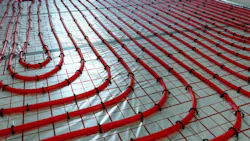
Hydronic heating systems are growing in popularity among homeowners, with the residential hydronic floor heating market projected to reach a value of $5.6 billion by 2035. Informed by research suggesting that hydronic systems can be as much as 35% more cost-effective to run than traditional ducted systems, increasing numbers of homeowners are considering their use.
By shifting towards water-based heating systems, homeowners can typically experience more stable heating and cooling cycles and more control over zone management; but before making the switch, some may want assurances that hydronic systems can function well in all climates.
In short, hydronic heating systems are particularly well-suited for cold environments, as water retains heat more effectively than air. As a result, well-implemented and maintained hydronic heating systems are progressively helping to increase home resale values in colder climates.
Why Hydronic Systems Are Well-Suited for Colder Climates
Hydronic heating systems can provide benefits to all kinds of homeowners, but are particularly well-suited to colder climates. By using water as a medium for heat transfer, hydronic systems provide heat directly to surfaces, helping to eliminate problems with drafts and wasted energy.
The main reason that hydronic systems outperform ducted systems in cold climates concerns the elimination of duct heat losses, which make up ≈30% of energy loss in forced-air systems; in practical terms, hydronic systems generally heat properties more consistently and efficiently.
Key benefits of hydronic heating in colder climates include:
Better heat retention: Water retains heat for longer than air, reducing the amount of time that the heating system needs to be powered to maintain a desired temperature.
Cold draft elimination: By heating surfaces directly using cycled water, homeowners can avoid issues with cold drafts and uneven heating caused by convection currents.
Greater zone control: Hydronic heating systems allow homeowners to independently warm different areas, as heat is applied directly to surfaces rather than through the air.
Is Hydronic Heating Suited to All Climates?
While hydronic heating systems are particularly well-suited for colder climates, they can also be effective in moderate and variable climates. Systems can be run at low temperatures to maintain stable comfort with minimal energy use and, as due to water’s high heat retention capacity, homes can be heated consistently to avoid energy spikes when temperatures drop.
“In Northern Virginia, where temperatures can range from 25°F in the winter to 85°F in the summer, hydronic heating systems are becoming increasingly popular," said Darren Robertson, a Northern Virginia Realtor. "Many homeowners find these systems help to minimize heating costs and improve efficiency; I’m increasingly hearing buyers request to view homes with these systems."
Why Hydronic Heating Is Valued by Homebuyers Cold Climates
The efficiency, cost-saving and control benefits associated with hydronic heating systems are having a positive impact on home resale values in colder climates. Experts suggest the installation of radiant heating systems can increase a home’s resale value by as much as 80%, as well as help properties to sell 6-8% faster than homes with forced-air systems.
Below are some key reasons why hydronic heating is valued by homebuyers in cold climates.
By maintaining stable temperatures with fewer heating cycles and eliminating duct losses, hydronic heating systems can reduce heating costs by as much as 30%. For homebuyers in colder climates, this can present an attractive opportunity to minimize heating costs while still ensuring all areas of the home are comfortable and shielded against temperature fluctuations.
Hydronic heating systems typically require less maintenance than forced-air systems as they function with fewer moving parts. Unlike forced-air systems that require fans and filters to push and process air, hydronic heating systems pump water through a closed loop; this typically results in far fewer breakdowns and boilers that last ≈10 years longer than forced-air furnaces.
The increased control provided by hydronic systems in their ability to heat targeted areas of a home can allow for greater comfort in cold climates. By directly heating surfaces using water, hydronic systems provide unparalleled zone control, helping homeowners to avoid drafts and cold spots caused by uneven air flows; a commonly discussed issue with forced-air systems.
Hydronic Heating Systems: A Worthwhile Investment?
The energy, cost and time-saving benefits associated with hydronic heating systems can make them a worthwhile investment for homeowners, particularly those whose homes are located in colder or variable climates and who may be planning to sell their property in the coming years.
Hydronic heating systems are generally considered to be more efficient, easier to maintain and longer-lasting than comparable ducted systems, making them an attractive option for heating upgrades and a smart investment for homeowners wishing to raise their home’s resale value.
About the Author
Sean Toohey
Sean Toohey is a freelance journalist and digital media specialist with extensive experience covering news, developments and emerging trends in MEP engineering and the trades industry. Currently focused on building management trends and technologies impacting the multi-tenant rental industry, his work explores best practices for landlords and contractors.