A Practical Guide to Boiler and Cooling System Seasonal Corrosion Protection
Key Highlights
- Draining a cooling loop alone can leave moisture and humid air that accelerate corrosion on exposed metal
- VCI treatments vaporize inside enclosed equipment to protect surfaces that liquid treatments may not reach
- Add seasonal layup and startup steps to maintenance checklists to help keep equipment clean and ready for service
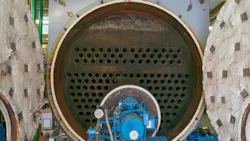
When a cooling tower gets shut down for the winter or a heating boiler gets fired up in the fall, corrosion control is usually the last thing on a contractor's mind. Most crews don't give it a second thought until something leaks, rusts out, or clogs up a strainer during the next startup.
The reality is that moving mechanical equipment between active operation and idle storage is precisely when metal damage happens fastest. Residual moisture, trapped damp air, and cold makeup water quickly attack bare steel and copper, causing deep pitting and heavy scale within a matter of days.
Volatile Corrosion Inhibitor (VCI) technology handles this specific transition period better than traditional methods. Unlike heavy oils or conventional chemical coatings, VCIs vaporize inside enclosed spaces. That protective vapor spreads throughout the entire volume, reaching upper piping headers, complex coil geometries, and dry surfaces above the waterline—areas that liquid treatments simply miss. Adding a simple VCI step to your seasonal maintenance checklist keeps the equipment clean while it sits idle, making the next startup straightforward and saving you from unnecessary emergency service calls.
Cooling Loop Layup: Why Draining Alone Isn't Enough
Draining a cooling tower or chiller loop at the end of the season doesn't stop corrosion, if anything, it speeds it up. The thin film of water left behind in low spots, combined with the air trapped inside the piping, turns the system into an ideal high-humidity rust chamber over the winter months.
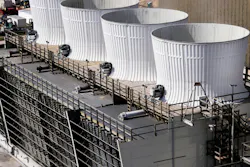
Instead of leaving bare metal exposed until spring, the process starts 12 to 24 hours before shutdown by circulating a film-forming corrosion inhibitor through the loop while the pumps are still running normally. As the chemical bonds to the metal walls and the system is eventually drained, its volatile inhibitor components evaporate directly into the enclosed air spaces, protecting dry pipe walls, upper headers, and any void space above the waterline.
Because this protective film is extremely thin and fully compatible with standard water treatment chemistry, there is no need to spend hours flushing the loop during spring commissioning, you simply fill the system, balance your chemicals, and turn it on.
This approach was proven at a large commercial district cooling facility on Abu Dhabi Reem Island that needed long-term wet standby protection while awaiting final building occupancy. Rather than leaving bare pipes exposed to oxygen pitting or relying on heavy traditional chemicals, operators treated the flooded loop with a liquid vapor-phase inhibitor blend. The treatment protected all submersed metals and internal void spaces for up to 24 months, keeping the system clean and ready for immediate commissioning without requiring a single flush.
Choosing the Right Protocol: Dry, Wet, or Wet-Dry Layup
Selecting the proper layup strategy depends on how quickly the boiler needs to return to service, access constraints, and the environmental conditions of the mechanical room.
For seasonal shutdowns or in unheated facilities where freezing is a concern, a dry layup is usually the best approach. Water is completely drained, and vapor-phase inhibitors are placed directly inside the dry vessel, eaching every corner of the internal void space while eliminating freezing hazards, nitrogen-blanketing requirements, and complex dry-air setups.
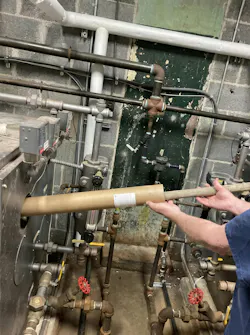
A great example of this in commercial buildings occurred at a historic venue (Alabama Theatre) where facility operators previously relied on traditional desiccant packs during spring shutdowns. Those old packs required laborious manual extraction before autumn commissioning. By switching to water-soluble vapor-phase inhibitor pouches, maintenance personnel simply placed the pouches inside the heating boilers before sealing the access hatches. Upon restart, the boilers were refilled normally, the pouches dissolved completely in the makeup water without requiring product removal or manual cleanup.
When a facility needs a quick turnaround or can't drain the loop, keeping the boiler flooded under a wet layup is usually the way to go. Adding liquid vapor-phase chemistry protects smetals while treating the empty vapor space above the waterline, without forcing maintenance crews into daily pH or sulfite testing. Systems can even sit on low-fire standby if they need to drop right back into service.
If a site prefers dry storage but can't open manways or access hatches after draining, a wet-dry layup is the practical alternative. Treating the boiler at high water level for 24 hours conditions all internal surfaces up front, allowing operators to drain the vessel and seal it up without ever opening a hatch
Boiler Startup: Watch Out for Oxygen Pitting
Boilers brought online for winter heating face their absolute highest risk during that very first fill. Pumping cold, untreated makeup water straight into a cold boiler introduces large concentrations of dissolved oxygen long before operating temperatures can boil it off. This creates rapid, deep oxygen pitting on tube sheets and drum surfaces within days.

To prevent damage during startup, makeup water needs treatment with a fast-dissolving oxygen scavenger and passivating chemistry the second you begin filling the system. Dropping water-soluble pouches directly into the makeup line neutralizes oxygen on contact and forms a protective passive layer on raw steel surfaces while the water heats up. If the boiler supplies steam for steam kettles, washdowns, or food processing, double-check that your startup chemistry carries an NSF G7 rating.
Reverse Schedules & Cooling System Commissioning
Reverse-season operations call for a couple of specific safety adjustments. If you're keeping a boiler on hot standby where steam may contact food or processing equipment, always verify that your liquid treatment is NSF G6 certified. For spring cooling tower startups, inserting multi-metal inhibitor pouches directly into the turbulent zone of the basin provides immediate passivation for steel and yellow metals, covering the system before automatic dosing pumps fully ramp up.
Adding a simple layup or startup protocol to your seasonal checklist takes only a few extra minutes, but it eliminates the most common causes of off-season corrosion. It's a low-cost step that protects critical equipment, preserves operating efficiency, and keeps you from chasing down preventable emergency leaks when the weather turns.


