Frozen Pipe Calls: a Smarter Approach to Thawing, Repair and Prevention
Key Highlights
- Triage calls by checking where water is unavailable and whether leaks or water damage are already present
- Shut off the main before thawing, and keep repair fittings on the truck in case a frozen pipe has split
- Use controlled thawing methods and follow equipment instructions; never use an open flame
- After water returns, inspect the system for leaks and address the conditions that caused the pipe to freeze
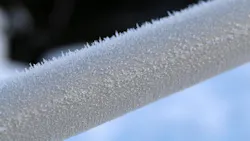
A hard freeze doesn’t hit one house. It hits the whole town overnight, and by morning every plumber’s phone is ringing off the hook. The first customer has no water at the kitchen sink. The next has lost service to half the building. Another isn't sure where the line froze but needs somebody there now.
For a contractor, the weather isn’t the real problem. Keeping up is. What matters is how fast your crew can find the freeze, get water moving safely and get to the next call without leaving a bigger problem behind.
That starts before the first freeze, with a routine your crew can run on every call: confirm it’s a frozen pipe, find the frozen section, pick the right way to thaw it, be ready for what happens when the line opens, and figure out why it froze before you leave.
Step 1: Triage the Call Over the Phone
Most shops already know how to triage a frozen pipe call. What makes it hard during a freeze is that the information comes from a homeowner in distress. A dispatcher who asks a few simple questions can save the crew time on site: Is there any water at all? Is the problem limited to one fixture or area? Is water showing up anywhere it shouldn’t? If it is, the call shifts from restoring flow to limiting damage, and it should move up the list.
And before heading out, make one thing clear: keep the torch away. There are several ways to safely apply external heat to an accessible frozen pipe, including electric heating pads, hair dryers and hot towels. Open flames should never be one of them.
Step 2: Prepare for a Burst Pipe Before You Thaw
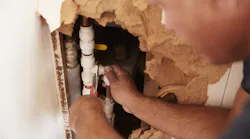
Every tech knows to shut off the main before thawing. On a day with 20 calls stacked up, though, that’s the step that gets skipped, and a frozen line is often a cracked one. With the main off, a split pipe is a repair, not a flood.
Make sure every truck carries repair couplings and push-to-connect fittings in common sizes, so a split found on the spot doesn’t mean a second trip. Before you start, let the customer know a hidden crack may only show up once water’s flowing. It sets expectations and makes the repair conversation easier.
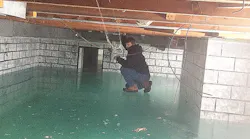
On commercial calls, the stakes go up, since a leak behind a wall or above a ceiling can reach a lot more of the building before anyone notices.
Step 3: Thaw the Line with a Hot Shot
When the frozen section is accessible, controlled external heat may be enough to get water moving again. But when the freeze is inside a wall, under a floor or along a buried service line, getting direct heat to the problem can mean digging or opening a wall or floor. That's where a pipe thawing machine becomes especially useful.
The General Pipe Cleaners Hot-Shot, for example, is designed to thaw frozen copper and iron water lines by passing low-voltage, high-current electricity through the pipe. The current heats the pipe wall, which melts a thin layer of ice inside the line. Once water starts flowing through that opening, it helps finish the thaw, typically in about 10 minutes.
Using it starts with isolating the frozen section and opening a faucet downstream. With the machine unplugged, clean two connection points on opposite sides of the freeze and attach the cable clamps at least 15 feet apart. Remove nearby insulation or heat tape, uncoil the cables completely and make sure the connections are tight before powering the machine.
Step 4: Check the Whole System and Fix the Cause
Once the faucet starts flowing again, it’s tempting to pack up and head to the next frozen-pipe call. Don’t. The thaw fixed the symptom, not the problem.
Before you go, run the water and walk the system. Freeze damage often hides until pressure returns, so look for leaks and make sure every fixture that lost water is back to normal.
Then ask the question that separates a quick thaw from a good service call: Why did this pipe freeze? Sometimes it’s the usual suspects, like poor insulation, an outside wall or outdoor plumbing that was never winterized. Other times, something changed. Damaged siding lets cold air in, or an addition shifts how heat moves through a crawl space. Sometimes it’s just a power outage during a record cold snap. Whatever the cause, it didn’t melt with the ice.
Fix it if you can. If you can’t, show the customer what you found and what you’d recommend, whether that’s protecting exposed piping, correcting an outdoor plumbing issue, replacing a section that keeps freezing or adding leak detection and shutoff protection.
It’s not about tacking an upsell onto an emergency. It’s about making sure that when they call you next winter, it’s not for the same frozen pipe.
Step 5: Get Your Truck Ready and Book the Follow-Up Work
Those four steps cover the call itself. The rest of the work happens on either side of it: getting ready before the first cold snap and following up after you pack up.
Prep starts in October. Once the first hard freeze hits, the phones start ringing, and that’s the wrong time to borrow a thawing machine from another shop. Have one on your own truck before the season starts.
The Hot Shot comes in two models, and the right one depends on the runs you typically see. The Hot Shot 320 puts out 320 amps on a standard 15-amp circuit and thaws up to 100 feet of pipe up to 1-1/2 inches. For longer runs, the Hot Shot 400 delivers 400 amps on a 20-amp circuit and reaches up to 175 feet, with a low setting for jobs where a 15-amp outlet is all you’ve got. Both ship with two 20-foot cables and clamps, so they’re ready to work out of the box.
The follow-up is where these calls pay off. A customer who just lost a morning without water is ready to hear how to keep it from happening again: a fall winterization visit, frost-free hose bibbs, pipe insulation, replacing a line that keeps freezing, or adding leak detection. Get them on the schedule before you leave, and you’ll be back at that house before next winter instead of waiting for the next emergency.
Be Ready Before the First Hard Freeze
Frozen-pipe calls are always going to create some urgency. The goal is to keep that urgency from turning into improvisation.
Have a process your crew can repeat, know what you're looking for before you start thawing and keep the right equipment ready for the work you expect to encounter.
And when the water starts moving, take extra time to find out why it stopped in the first place. That's what turns a quick thaw into a complete service call and helps keep the customer from calling with the same problem after the next hard freeze.