Hands-On HDPE Fusion Training Targets Leaks, Breaks and Workforce Gaps
Key Highlights
-
Directly addresses non-revenue water, corrosion and emergency main break prevention
-
Strong workforce development angle backed by hands-on, field-driven training
-
Clear value proposition for utilities, engineers and contractors specifying HDPE systems

IRVING, TX — A specialized industry training program is helping utilities reduce water loss, prevent emergency main breaks and strengthen the local infrastructure workforce by teaching proper fusion and electrofusion techniques for high-density polyethylene (HDPE) water piping systems.
The Fusion/Electrofusion of HDPE Water Piping Systems Program provides hands-on instruction for utility technicians, operators, inspectors and engineers responsible for potable water and wastewater infrastructure. The training focuses on heat fusion methods that create seamless, leak-free joints—eliminating the joint failures commonly associated with traditional piping materials.
Training Focuses on Leak-Free, Corrosion-Resistant Systems
HDPE piping systems offer significant advantages for municipal water and wastewater applications. Unlike metallic piping, HDPE is corrosion-proof, eliminating rust-related failures. Heat-fused joints create a continuous pipeline that prevents leaks and reduces non-revenue water—treated water lost before it reaches customers.
The material’s flexibility also supports both open-cut and trenchless installation methods, helping utilities minimize road disruption, surface restoration and property damage during infrastructure upgrades.
Nationwide Program Reaches Utility Crews and Students
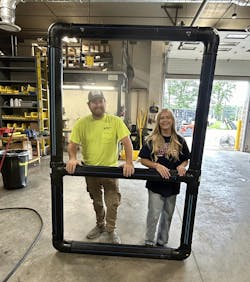
Sponsored by the Municipal Advisory Board (MAB)—an independent, non-commercial adviser to the Municipal & Industrial Division of the Plastics Pipe Institute, Inc.—the program has graduated nearly 150 utility professionals and college students representing 22 cities across the United States.
“Our first training session was in 2021,” explained Camille George Rubeiz, P.E., Co-Chair of the MAB and Vice President of PPI’s Municipal & Industrial Division. “The program has grown rapidly, with attendees now traveling from Maine to California, and we’ve expanded to four training sessions per year.”
Expanding Workforce Development Through Hands-On Learning
The program has also broadened its reach to include college students preparing for infrastructure careers. Participants emphasize the value of hands-on instruction and team-based learning.
“The best way to learn was through hands-on experiences,” said Carly Wilkerson, a construction engineering student at Purdue University, Class of 2026. “The team aspect of the training was extremely vital in our continuous improvement throughout the process.”
Hosted at NWTC With Industry and Community Support
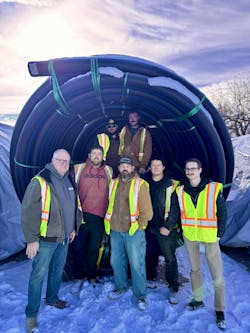
Mayor Eric Genrich accepted a certificate of appreciation recognizing the city’s support of workforce development programs serving water utility professionals nationwide.
High Marks From Participants
“Not only is this program training a community’s infrastructure workforce, but it is also gratifying to hear feedback from participants that consistently reconfirms the program’s high quality,” Rubeiz said. “Trainees regularly cite hands-on instruction from instructors with more than 25 years of experience and describe the curriculum as both informational and engaging.”
When asked how the class could be improved, participants consistently responded that no changes were needed.
“MAB and our members will continue this initiative to help communities save water, reduce main breaks, grow the local workforce and build resilient water systems,” Rubeiz added. “We are proud to provide technical information, field experience and expertise from cities across the country to support the design and installation of sustainable HDPE water piping systems.”
Utility operators, inspectors, and engineers interested in the 2026 training schedule for the Fusion/Electrofusion of HDPE Water Piping Systems Program can find additional information at www.plasticpipe.org/mabpubs.