Standardization, Forecasting and Technology Shape Southland’s Fleet Strategy
Key Highlights
- Quarterly and annual planning meetings help Southland forecast vehicle needs, with planned orders covering about 80% of annual demand
- Telematics tracks vehicle health and driving behaviors, with event-triggered video and in-cab coaching supporting safety efforts
- Managed maintenance approval processes help the fleet team review repair recommendations and costs before authorizing service
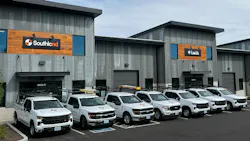
CARROLLTON, TX — At this year’s ACT Expo—the self-proclaimed “Largest Fleet Technology Show”—held in Vegas this past May, the message conveyed was that the commercial transportation industry is moving into a more disciplined phase, as fleets, OEMs and technology providers navigate tighter capital conditions, shifting regulations, higher fuel costs and continued pressure to invest in more advanced vehicle technologies.
With a national footprint consisting of more than 2,000 vehicles, Southland Industries manages its fleet with a balance between consistent vehicle standards and the flexibility required to address the needs of different geographies, while investing advanced telematics and relying on AI-powered insights.
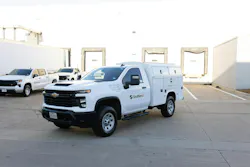
“Vehicle standards are established based on roles instead of personal preferences, which support efficient fleet management. For example, we take into consideration that a four-wheel drive vehicle is not needed in California, but it is important in Wisconsin,” says Sonja Grady, Corporate Services Director. Grady is responsible for overseeing Southland Industries’ enterprise fleet strategy, which involves capital budgeting, fleet forecasting, maintenance programs and regulatory compliance. Sonja supervises a team of fleet personnel within the organization who assist in monitoring vehicle and driver performance and improving fleet efficiencies.

To anticipate vehicle needs, Southland holds quarterly meetings with departmental leaders across the organization, along with annual planning meetings with each division to discuss employee headcount and company growth projections. “Using these insights, we coordinate a yearly vehicle order with our leasing partners and manufacturers. This process enables us to meet approximately 80% of our annual vehicle needs through planned orders, limiting dealer stock purchases to the remaining 20% or less,” says Grady.
According to Grady, a standardized approach combined with proactive forecasting and dedicated fleet personnel across the country helps Southland maintain operational efficiency as its fleet continues to grow. “In Texas alone, our fleet has grown from approximately 550 vehicles to more than 1,000 over the past four years, reflecting the significant growth of our business,” says Grady.
Telematic Deployment
Southland Industries recently began the systematic deployment of telematics across its fleet in late October, starting with its vehicles in San Antonio, Texas. This technology provides its fleet team with visibility into vehicle health and employee driving behaviors, including harsh braking, speeding and following distance.
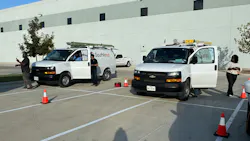
The technology also uses external-facing cameras to capture video footage of specific driving events, helping staff consistently assess safety incidents across the organization.
Telematics incorporates in-cab coaching, giving direct feedback to employees on their driving behaviors, which, in turn, empowers them to correct these behaviors independently. This is just one aspect of a larger, tiered training program that begins with employee onboarding and progresses to targeted training as needed.
AI Insights
Building on Southland’s use of telematics, AI-powered insights help identify employee driving behaviors, giving greater visibility into these behaviors than ever before. Beyond monitoring driving behaviors, this telematics technology also monitors vehicle health, including oil and fuel levels, engine hours, and more. “This is incredibly beneficial to Southland's fleet team, helping us monitor vehicle conditions and ensure vehicles receive timely maintenance,” says Grady.
Grady also adds that while they're still in the early stages of implementing this technology, they see opportunities to leverage AI-driven insights to make more informed fleet management decisions as its operations continue to expand.
Managing Expenses
Southland manages fleet expenses by partnering directly with vehicle manufacturers and national leasing partners to take advantage of purchasing discounts, leasing options, extended warranties and managed maintenance programs. Additionally, these partnerships provide its employees with access to maintenance services through local and national service providers across the country. “Our managed maintenance program includes established approval processes, which allow us to assess repair recommendations and associated costs rather than automatically approving all service requests,” says Grady.
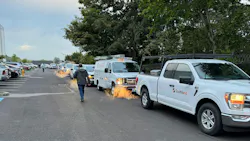
Another aspect of Southland’s fleet strategy is focused on reducing unnecessary labor and travel time. “Unlike other organizations that may require employees to pick up their company vehicles from a central location daily, our vehicles are not garaged at our workplace. This enables our employees to travel directly to their work location, move quickly between projects, and respond to service calls without having to return to the office. It is especially useful for employees working at remote jobsites, in large metropolitan areas, and our service team, who are on-call 24/7,” says Grady.
Finally, fuel and toll expenses are managed through company-provided purchasing cards. Southland’s standard vehicle replacement cycle is about five years, after which the company remarkets the vehicles through auction.
About the Author
Related
 Dreamstime S 217716905
 The John W. Danforth HQ.

