Bath and Kitchen Remodeling Trends 2026
Key Highlights
- Remodeling market performance remains strong, with the NAHB RMI staying above 50 for 24 consecutive quarters, indicating sustained growth
- Bathroom and kitchen remodels are the most common projects, emphasizing the importance of skilled plumbing professionals in the industry
- Technological innovations, including smart fixtures and sustainable products, are shaping modern remodeling trends and customer preferences
- Design trends like universal, hotel/spa-inspired, and transitional styles, along with a focus on personalized color schemes, are influencing current home renovation aesthetics
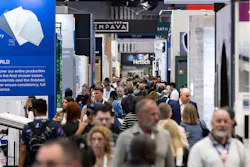
At the recent International Builders’ Show (IBS) held Feb. 17-19 in Orlando, FL, show sponsor the National Association of Home Builders (NAHB) hosted a panel of experts to explore the question: why is the remodeling market doing so well?
Compared with single-family and multifamily new construction over the past five years, remodeling has shown stronger and more consistent performance—and it doesn’t look like the trend is slowing down any time soon.
Numbers Don’t Lie
The panel discussion touched on several data points. The NAHB/Westlake Royal Remodeling Market Index (RMI), a quarterly survey of NAHB remodeler members, has remained above the break-even point of 50 for 24 consecutive quarters.
Another telling indicator is the sheer number of contractors pursuing remodeling work. The number of remodeling firms increased from 69,000 in 2000 to 128,000 at the start of 2025. During the same period, home improvement’s share of residential construction spending rose from 33% in 2007 to 44% in the first quarter of 2025.
“There are many factors contributing to the continued growth of the remodeling market, including the aging housing stock,” said NAHB Economist Eric Lynch. “The typical age of a home has increased from 31 years old in 2006 to 41 years old in 2023. And with the dramatic rise in home equity post-pandemic, more homeowners are able to finance remodeling projects that align with their needs.”
A contributing factor has been the mortgage rate “lock-in effect”. Homeowners with low mortgage rates are less inclined to move and take on higher financing costs. Instead, if they want changes, they stay where they are and remodel.
Speaking of those homeowners, housing stock isn’t all that’s aging. According to data from the Census Bureau, the US population is aging rapidly, with the 65+ demographic growing at its fastest rate in over a century, hitting 55.8 million in 2020 and projected to reach 80 million by 2040.
Data from the AARP shows more than 77% of US citizens would prefer to age in place—to stay in their own homes and communities while living as independently and comfortably as possible. That means ramps, grab bars, walk-in tubs and other home modifications.
Plumbers in Demand
The RMI survey mentioned earlier asked remodelers how common 22 varieties of remodeling projects were for their company in 2025 on a scale of 1 to 5 (with 1 being not common at all and 5 being very common).
Bathroom remodeling was the most common project in 2025, with 73% of remodelers rating it common to very common (4 or 5) for an average of 4.1. The only other remodeling segments to receive average ratings above 3 were kitchen remodeling (3.9), followed by whole-house remodeling (3.5).
Bathrooms and kitchens as the lead remodeling candidates means faucets, showers, tubs, sinks, toilets—but above all it means the know-how and the labor of skilled plumbing professionals.
What Customers Want
At the same time IBS was being held in Orlando, just across the convention hall the National Kitchen and Bath Association (NKBA) was holding its signature event, the Kitchen and Bath Industry Show (KBIS). (Read our coverage in this issue starting on pg. 3.)
The NKBA does such regular research projects as its 2026 Kitchen Trends Report (using feedback provided by 634 industry professionals across North America) and its 2026 Bath Trends Report (using feedback from nearly 700 designers, remodelers, manufacturers, and other industry professionals).
Both reports provided insights for this feature, along with interviews, observations and informal surveys conducted by CONTRACTOR’s editorial staff. So what are the top trends in bath and kitchen remodeling? Here are the ones that stood out. Keep in mind these categories often overlap, and that the individual taste and needs of every customer are unique.
Wellness
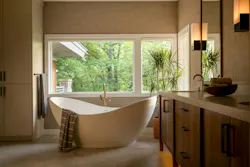
Wellness has become a mainstream trend in recent years. Products in this category include water filtration devices, touchless faucets, and other hygiene-focused products such as bidets and smart toilets. For high-end customers wellness may also mean spa-like features, including large tubs with jets for hydrotherapy (and accessories for aromatherapy or chromotherapy), cold-soak tubs for cryotherapy (which are becoming more common in home gyms), steam baths and saunas.
Aging-in-Place
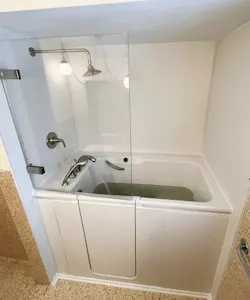
Most aging-in-place renovations are about overcoming mobility issues. Touchless fixtures suit this category as well, but more for ease of operation than to prevent the spread of germs. Grab bars and textured surfaces—particularly in bathrooms—help prevent slips and falls. Tub-to-shower conversions are a common renovation, as is replacing bathtubs with walk-in tubs. For customers using wheelchairs, ADA-compliant sinks are practically a must-have.
Personalization
"Bath design is becoming deeply personal,” said Bill Darcy, Global President & CEO of NKBA | KBIS. “Beyond considerations like resale value, designers are focusing on how spaces support a homeowner’s individual rituals, preferences, and self-care routines.” Plumbing pros may want to work with suppliers to offer a wider selection of colors and materials and be more willing to work with customers on custom installations. But to take personalization to the next level, “smart” technology may be the answer…
Smart Technology
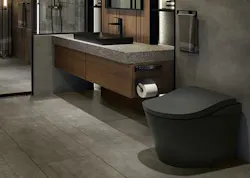
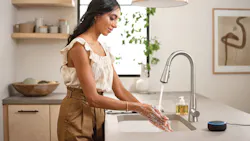
People are embracing technology in the kitchen and bath when they can feel it improving their quality of life. Smart toilets with integrated bidets now offer so many features (water temperature, spray volume, heated seat, air drying etc. etc.) that users want the added convenience of a remote control and personalized settings. Personalized settings are also the main draw for smart shower systems. Smart faucets can now respond to voice commands via a smart speaker or respond to personalized presets in a proprietary app to help homeowners breeze through everyday tasks.
Sustainable Living
For some homeowners it’s about saving money on their utilities, and for others it’s about being good stewards of the planet’s resources, but either way sustainability has been a rising trend in remodeling. Most plumbing pros are familiar with low-flow products, be they showerheads, faucets, or high-efficiency toilets. But now “going green” also means smart sensor technology that lets homeowners track their water and energy use. Prominent sink and tub manufacturers are now offering products made with pre- and/or post-consumer recycled content.
Design Cues
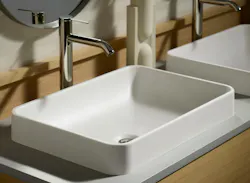
There have been entire books written, entire classes given, devoted to bathroom and kitchen design. Here are just a few design trends that seem to be of the moment.
Universal Design
The design and composition of products and environments so that it can be accessed, understood and used to the greatest extent possible by all people regardless of their age, size, ability/disability or status. Simple, intuitive and flexible, this style is a natural for customers interested in wellness or aging-in-place.
Hotel/Spa Inspired Design
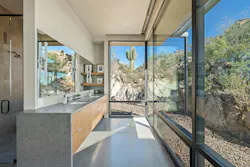
Takes its ideas from those commercial spaces and brings them into the home. The bathroom or kitchen becomes a “sensory island” providing a break from stress. The hallmarks of this design are quiet luxury, colors and textures inspired by nature, and the smooth integration of technology. It works well for any of the trend categories listed above, but especially for wellness and smart tech integrations.
Transitional Design
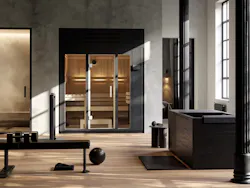
Blends traditional elegance with modern, clean lines for a balanced, “timeless”, comfortable effect. It bridges the gap between old and new by combining neutral color palettes and varied textures. It is adaptable, practical, functional, and pairs well with any of the categories listed above.
Top Colors
For 2026, light neutrals dominate, with off-white, tan, and white leading choices (especially in the bathroom). Earthy, brown-based greens—especially sage and olive—remain popular accent colors.
If that all sounds a bit drab to you, bold splashes of color are finding their way back into US kitchens and bathrooms. Mandy Cheng, of Mandy Cheng Design Studio, speaking at the NKBA Design Council’s Trendspotting session talked about a growing comfort with color, giving designers more freedom—and homeowners more opportunities for personalization—beyond the usual neutrals.
About the Author
Steve Spaulding
Editor-in-Chief - CONTRACTOR
Steve Spaulding is Editor-in-Chief for CONTRACTOR Magazine. He has been with the magazine since 1996, and has contributed to Radiant Living, NATE Magazine, and other Endeavor Media properties. You can find him on LinkedIn at www.linkedin.com/in/stevespaulding.